Ozzy Osbourne’s passing has had an impact few would have envisaged until it happened.
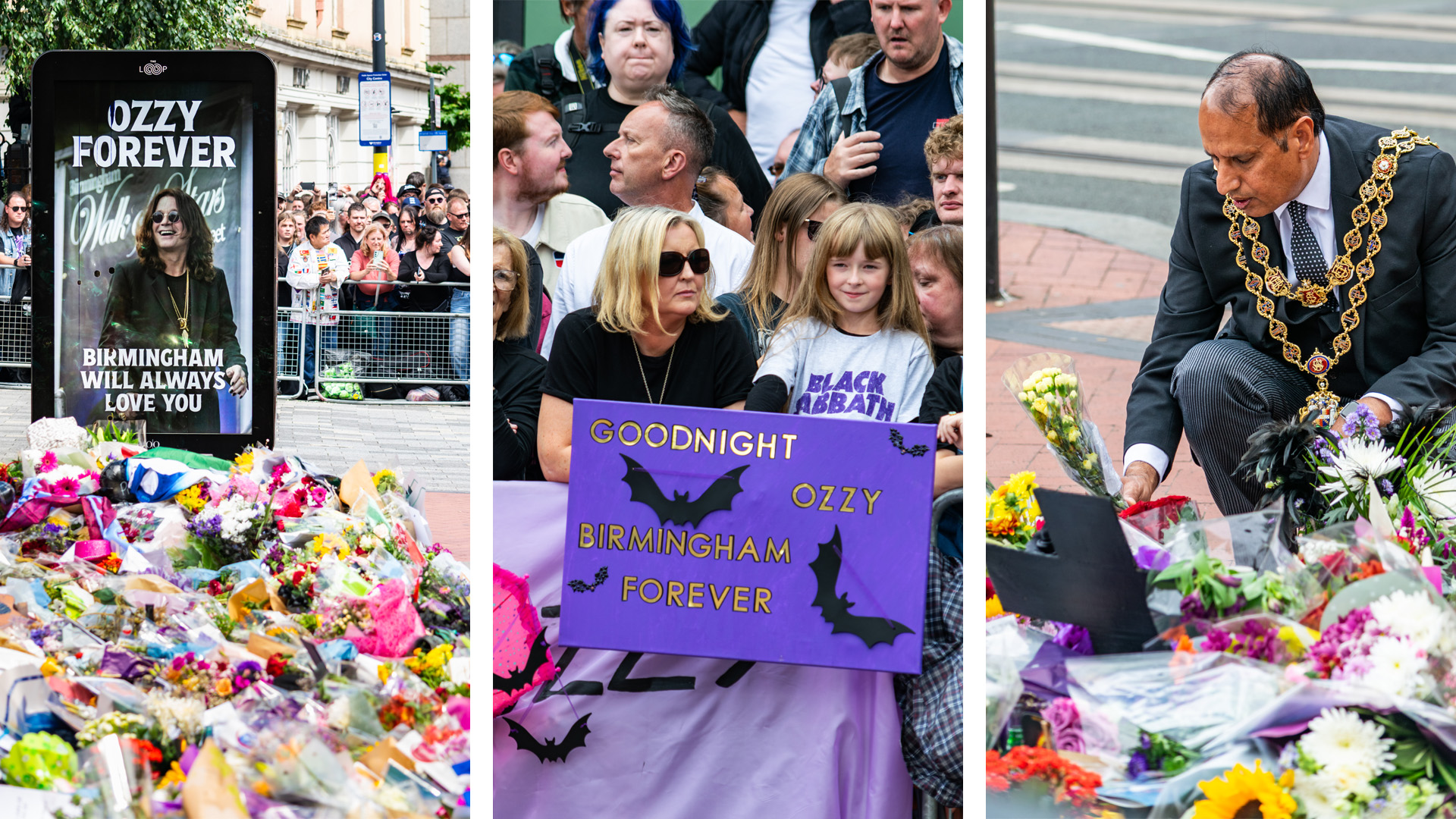
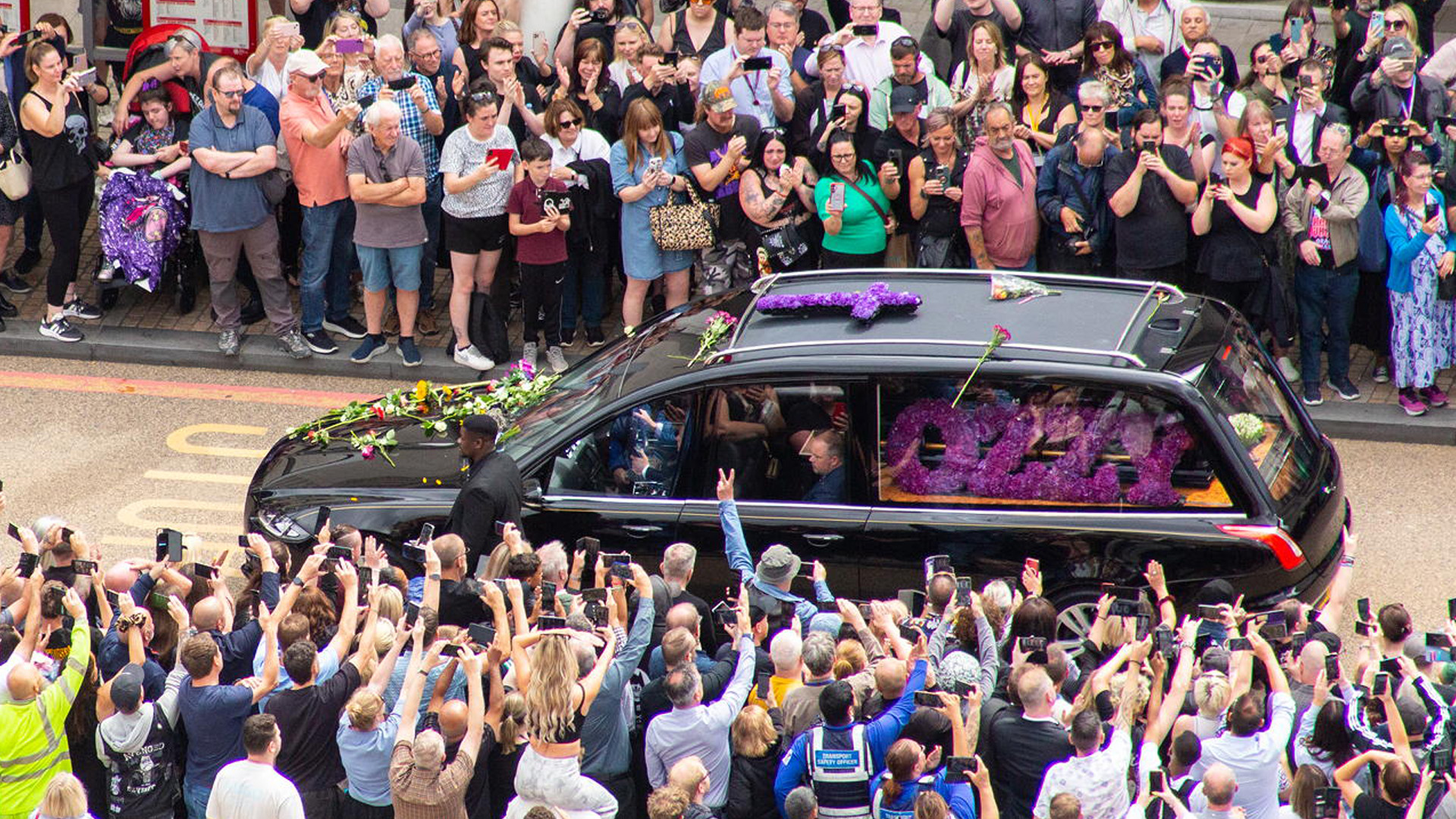
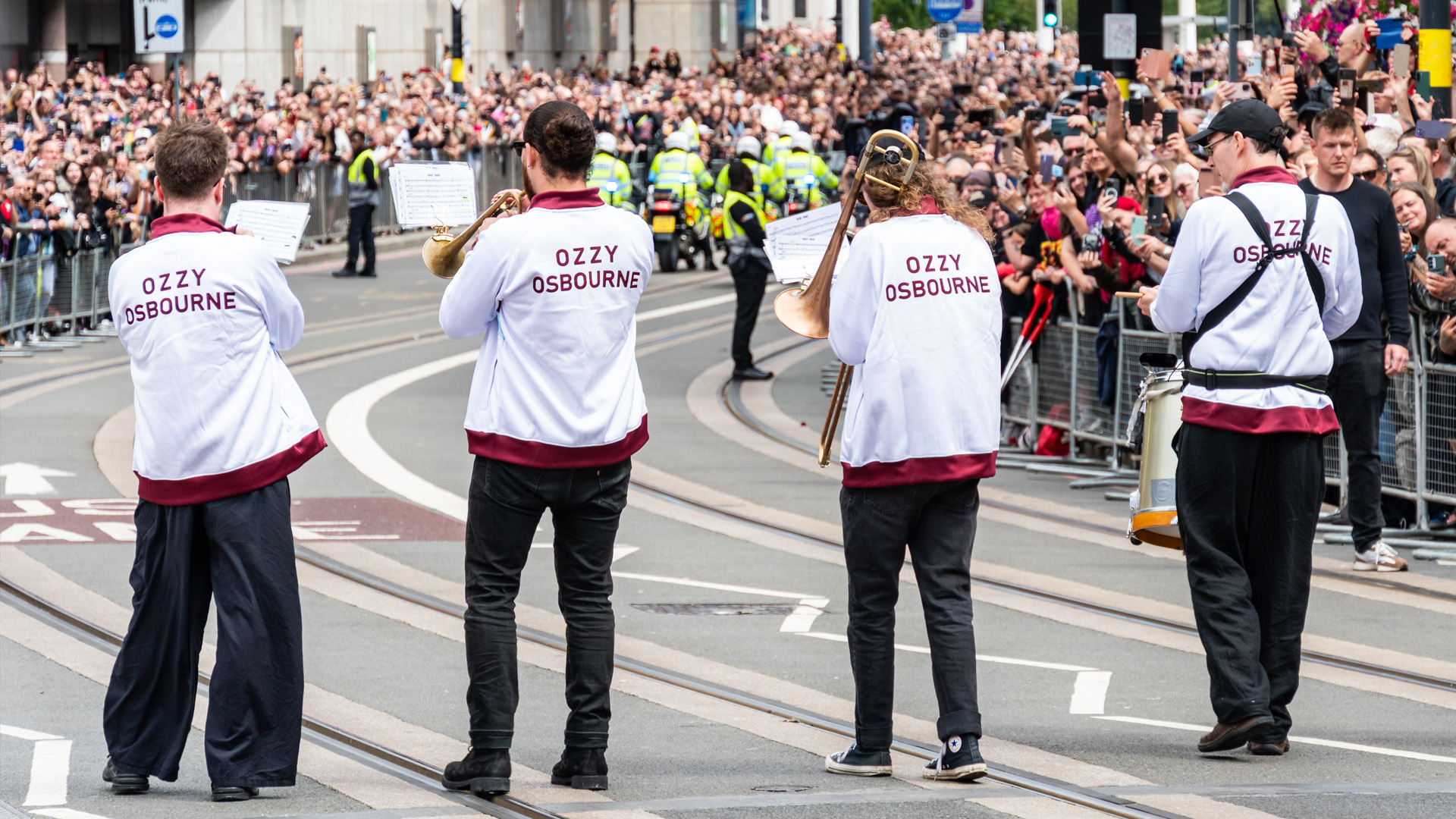
Yesterday, upwards of 30,000 people crowded onto Broad Street, Brindleyplace and Centenary Square to watch the cortege pass, pause and leave the city centre, a moving event as well as a celebration with an unprecedented number of people that speaks for itself.
Full respect to the Osbourne family for allowing the rest of us to be part of their private mourning. Brindleyplace security officer Ray Adams was one of those who had a close-up view of proceedings from his spot alongside the Black Sabbath Bridge at the main entrance to the estate.
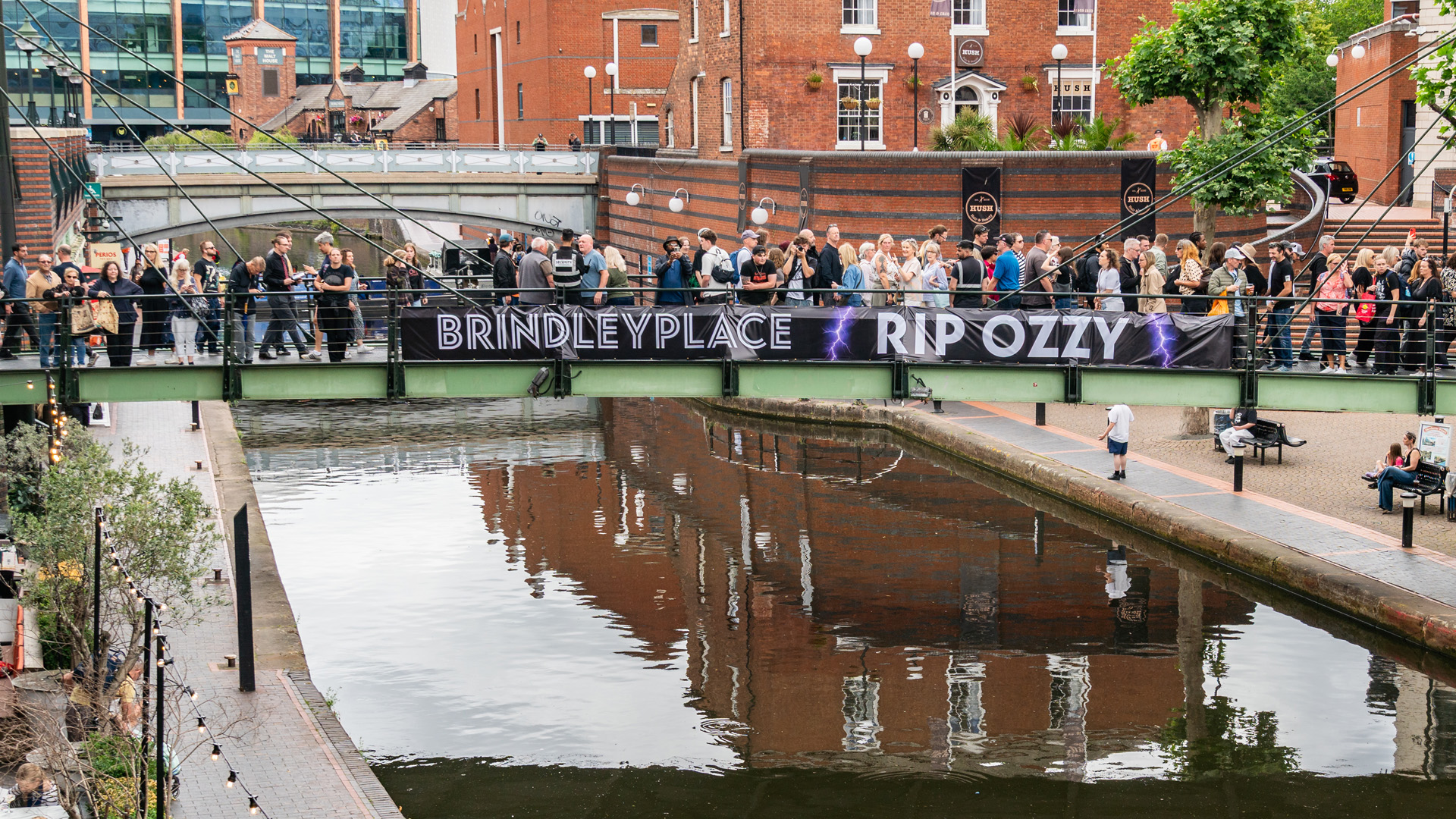
As a massive fan of Ozzy and his music, his workday became both personal as well as professional. He says: “I first heard Black Sabbath when I was four years old and my stepdad played Paranoid on the record player. So even before I knew what I was listening to, I was a fan – Ozzy and Sabbath were a part of my childhood. Even though I live in King’s Heath now, my family is from Aston and my mom grew up two streets away from Ozzy’s home on Lodge Road.”
The heavy metal genre itself has always reflected its gritty, inner Birmingham beginnings and has always felt different. More niche than mainstream. But the crowds seen across Birmingham yesterday, especially in and around Broad Street, home to the Black Sabbath bench and bridge, may be changing that.
Tens of thousands chose to come together. Not all metal fans. Not all Brummies. But all people who saw an ordinary father and grandfather behind Ozzy’s rock star persona and were here to pay their own respects to a life well lived.
Ozzy’s passing – and the Back to the Beginning concert held at Villa Park at the beginning of July – has generated the kind of global publicity the city has seldom seen. And this has happened not just because Ozzy was a famous rock star, but also because he was a true Brummie icon who wore his pride for his hometown firmly on his sleeve – something many of us can relate to.
The man who coined the epitaph ‘Birmingham Forever’ at the end of concerts and interviews grew up in humble circumstances in a Victorian terraced house in Aston he shared with his parents and five siblings.
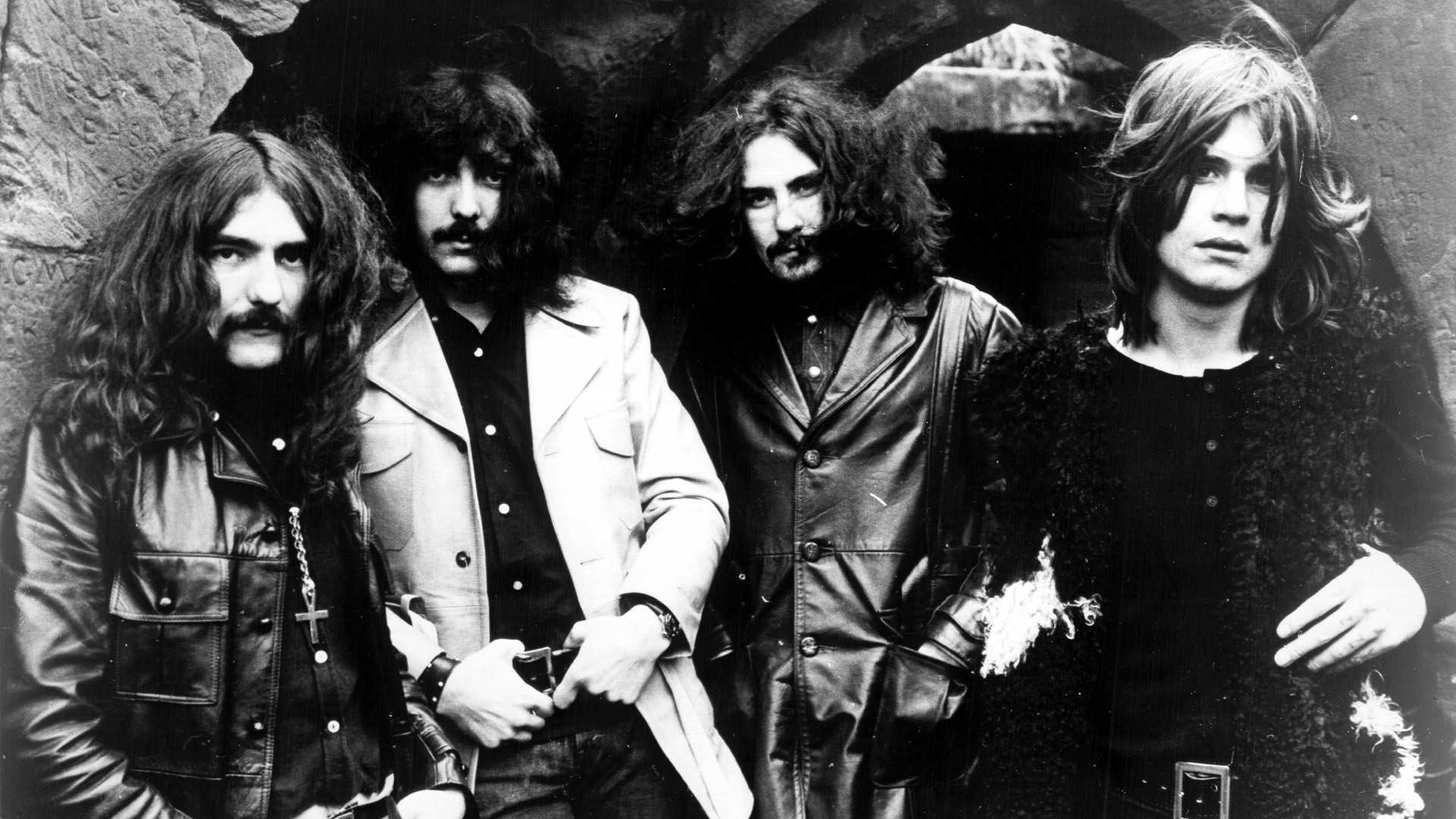
Ozzy’s route to music as a teenager was inspired by growing up with the Beatles and Rolling Stones on the radio. It bought him a one-way trip to fame after the band he founded with school friend Geezer Butler (on bass) morphed into Black Sabbath following the addition of two more local lads, Tommy Iommi (guitar) and Bill Ward (drums).
The foursome’s first albums were hailed as the creation of a whole new genre of music – Heavy Metal – a heavier, darker form of rock rooted in the stark industrial heritage of the band’s members and their families, most of whom worked in local factories.
Jez Collins, founder of the Birmingham Music Archive, says:
“Ozzy has shone a global spotlight on Birmingham through himself and his work, and his legacy will be there for years to come.”
Afterall, to paraphrase Starship, we built this city not only on rock ‘n’ roll (ELO, Led Zeppelin, The Move, Wizzard, The Moody Blues), but heavy metal too. And that came out of the sound of the individual experience of Black Sabbath in the late 60s and early 70s, and later on from the likes of Judas Priest and Napalm Death.
Heavy metal is definitely a culture where being different is not just welcomed, but accepted and cool. And Ozzy himself went from a figure who was famous for being a counter-culture rabble rouser and a little too uncool for the mainstream, to being respected for his down-to-earth humanity: a mentor, father and friend.
As Ray Adams adds:
“I saw Ozzy in concert at Monsters of Rock at Donnington Park in the 80s as well as at the NEC here in Birmingham and he was always a joy to watch. He always kept the audience with him on stage, it was obviously the thing that was important to him. I really don’t think we’ll see his kind again.”
Rest In Peace Ozzy. Birmingham Forever.